
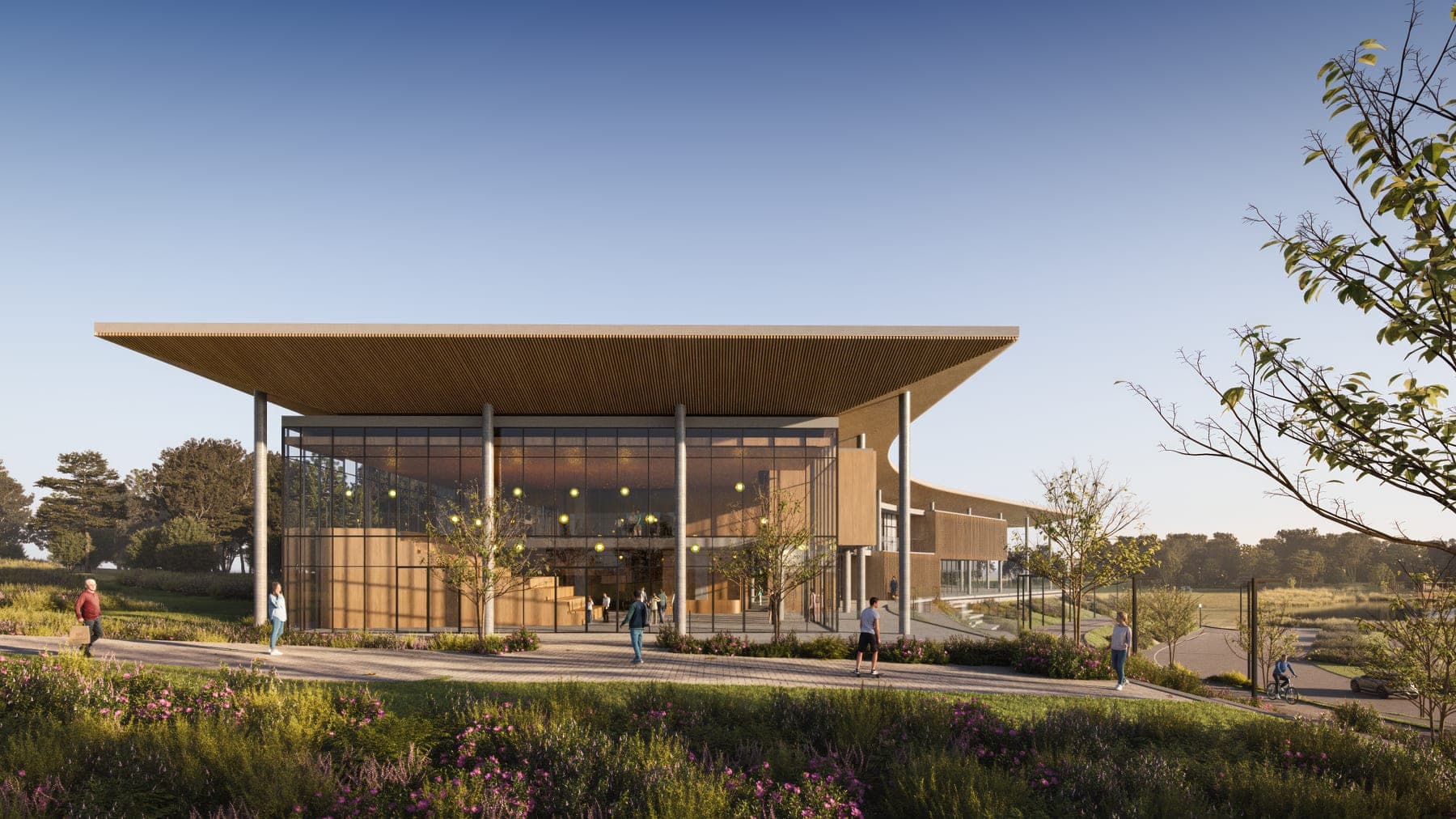

Academic building of the campus — architectural render

Academics

Bachelor of Science in Computer Science.

Learn to create.

From foundations to practice

From a scientific education to a living knowledge exchange

Learning also happens when students, professors, and mentors come together: in questions raised in class, in projects, and in conversations that continue beyond the classroom.

A four-axis curriculum, faculty of reference, full-time dedication on a residential campus, and an international academic council behind the pedagogy, the curriculum, and the selection of faculty.

Academic program

From absorbing new knowledge to collaborating, experimenting, and creating

A strong scientific foundation, with hands-on learning from day one.We develop technical mastery, computational thinking, and the ability to create real solutions to complex problems.

Ethics and teamwork are foundations too.Reflections spanning science, technology, and society are part of a degree oriented by collaboration and practice.

What we see today is still the surface of what AI will produce. Today's systems work within known boundaries. The true transformation will come from ideas we can't yet predict.

Luis Lamb
Luis LambAcademic council · UFRGS
Four axes

Four curricular axes

Axis 01

Mathematics

A dense logical foundation for developing rigorous computational thinking.

Axis 02

Computing

Mastery from theoretical fundamentals to advanced, career-ready practice.

Axis 03

Society

The ethical, social, and security dimensions of technology, treated as fundamentals.

Axis 04

Entrepreneurship and Applied Computing

Support for external projects in a formation driven by real-world challenges and the creation of technology.

ITEC leadership
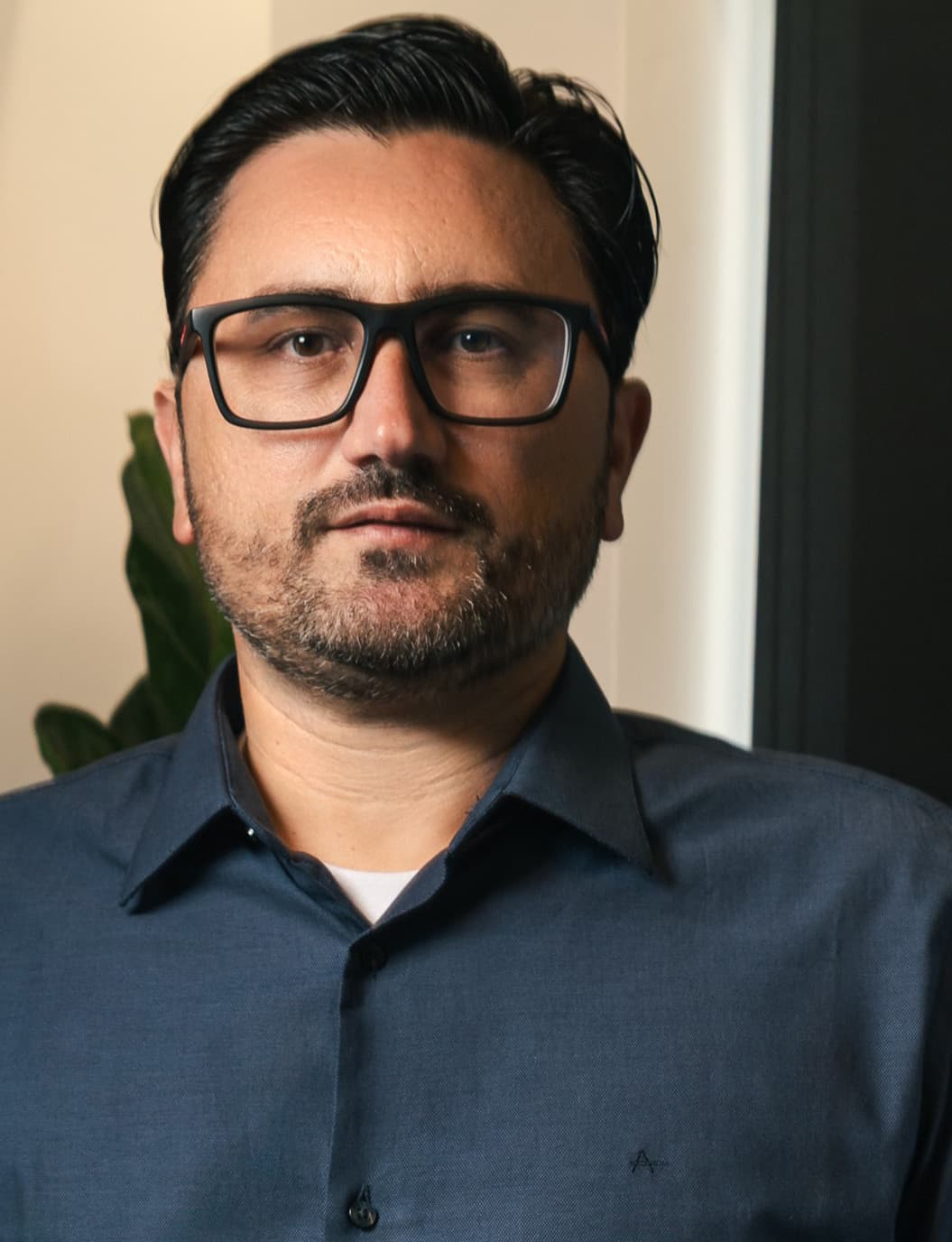
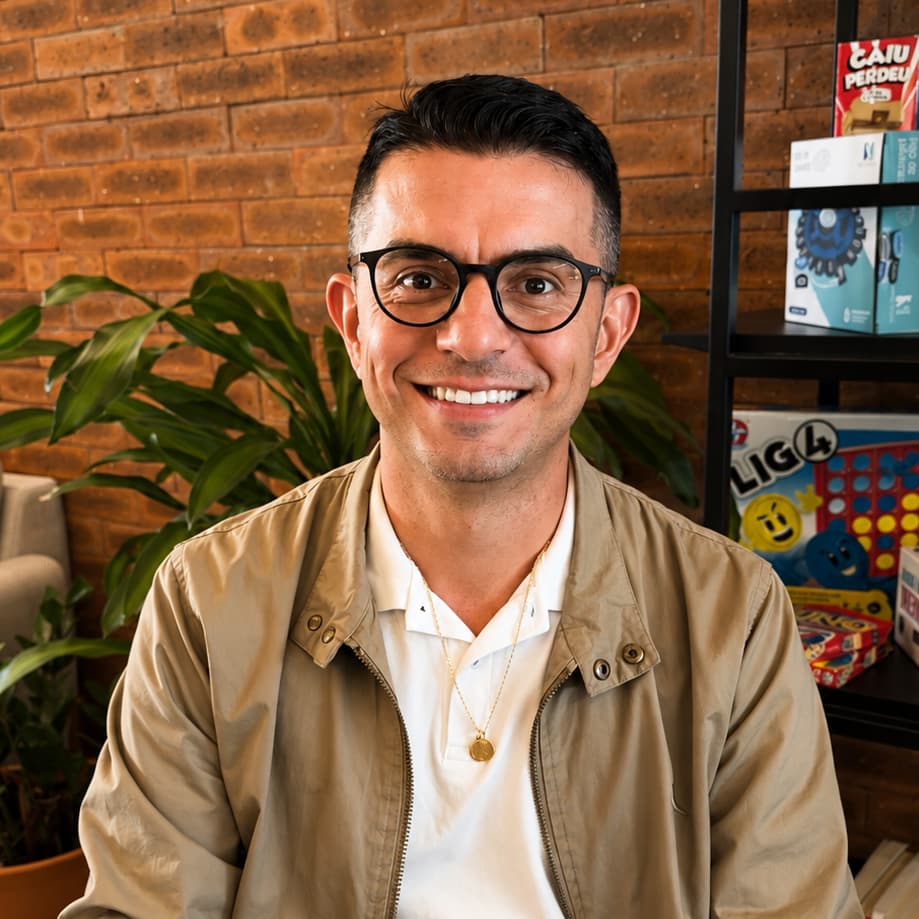
Portrait of Leandro Villas

Leandro Villas

Former director of Unicamp's Institute of Computing, Leandro Villas holds a PhD in Computer Science from UFMG, with a research period at the University of Ottawa in Canada. At ITEC, he leads the development of the academic program and faculty.

Our work is to provide foundations, opportunities, and an environment that turns talent into a real ability to create.

Leandro Villas
Academic council

Guided by an academic council

Behind the pedagogy, the curriculum, and the selection of faculty.

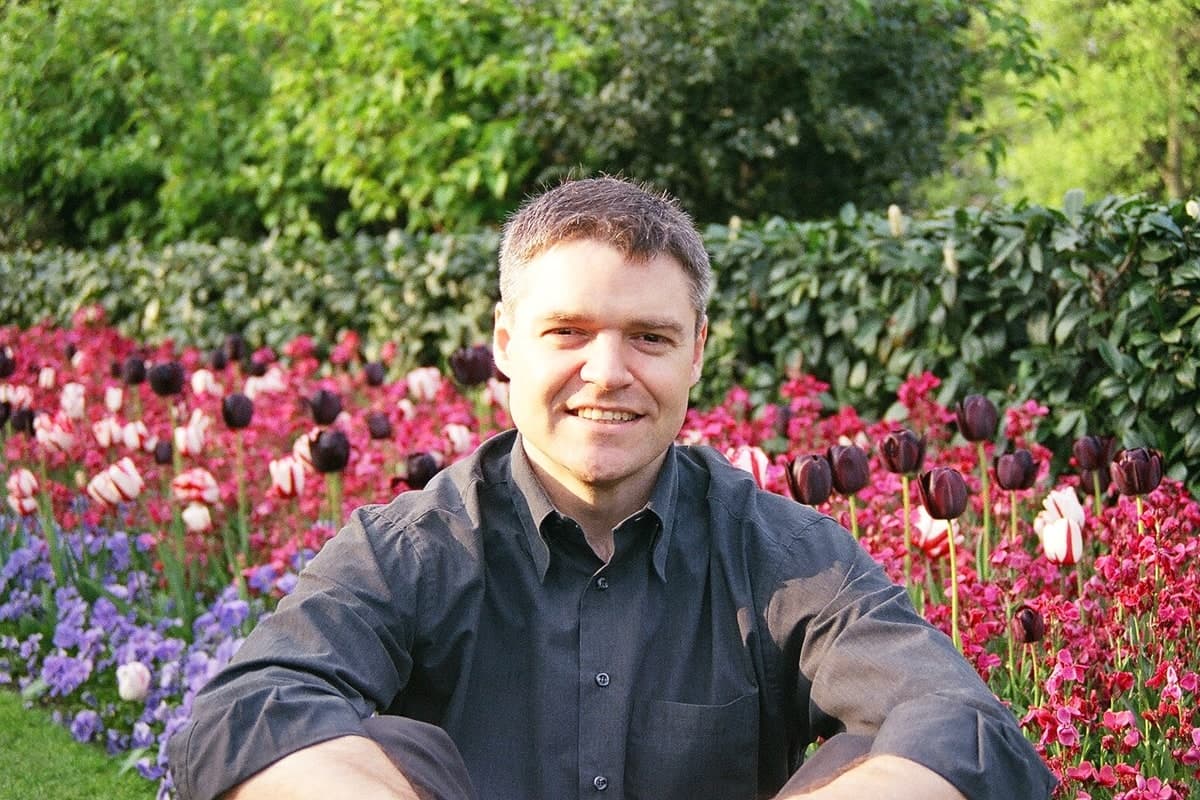
At heart, we're talking about building bridges. For talent to emerge, opportunity must first exist — and be visible to those who can seize it.

Luiza Toledo
Luiza ToledoTelles Foundation
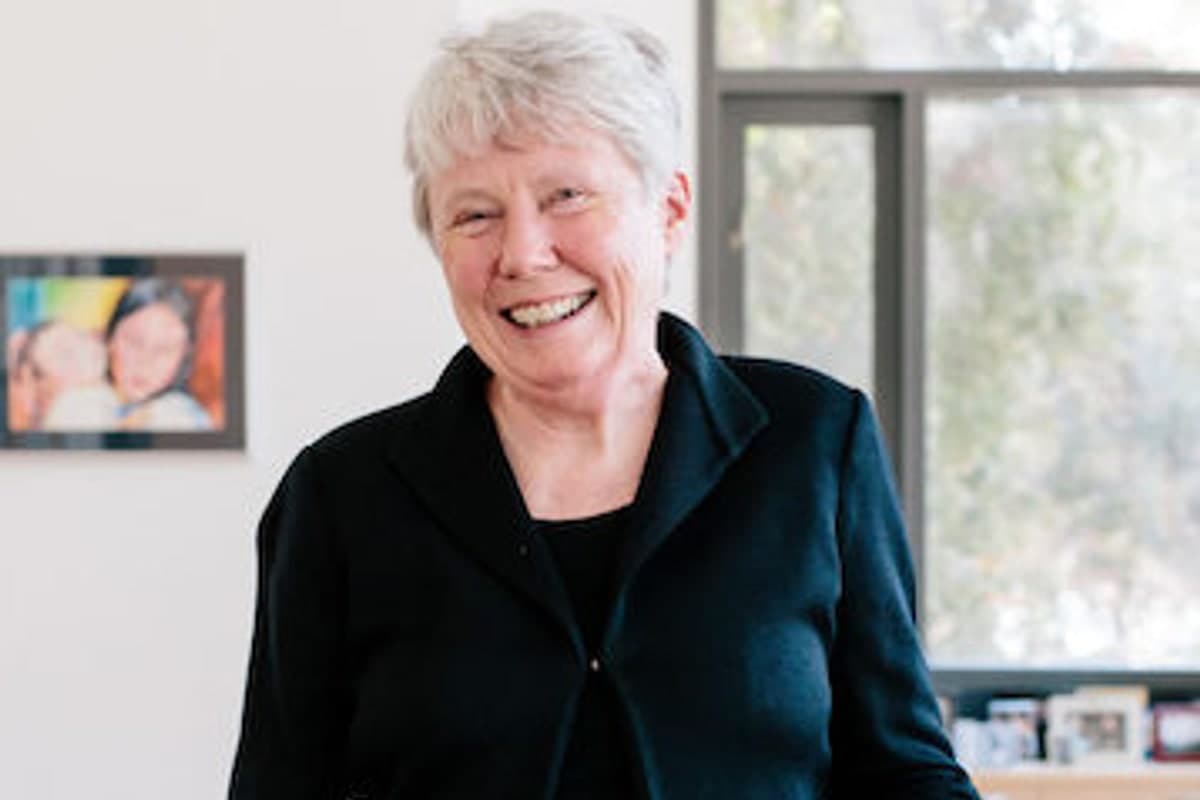
Portrait of Maria Klawe

Academic council

Maria Klawe

Former president of Harvey Mudd College. Former dean of the School of Engineering and Applied Science at Princeton. Microsoft board member for six years.

former Harvey Mudd · former Princeton

Portrait of Giselle Reis

Academic council

Giselle Reis

Leader of the Computer Science program at Carnegie Mellon University in Qatar. Expert in computational logic.

CMU Qatar

Portrait of Luis Lamb

Academic council

Luis Lamb

Former Secretary of Innovation, Science, and Technology of Rio Grande do Sul. Former vice-rector for research and former director of the Institute of Informatics at UFRGS. Expert in artificial intelligence.

UFRGS · CIT

Faculty

Our first professors.

Since August 2026, ITEC's first professors have been helping develop the curriculum, bringing together teaching, research, and close support for students.

Learning continues beyond the classroom.The model calls for full-time faculty and a ratio of one professor for every ten students. This close contact makes room for individual guidance, projects, and the exchange of ideas throughout daily life on campus.

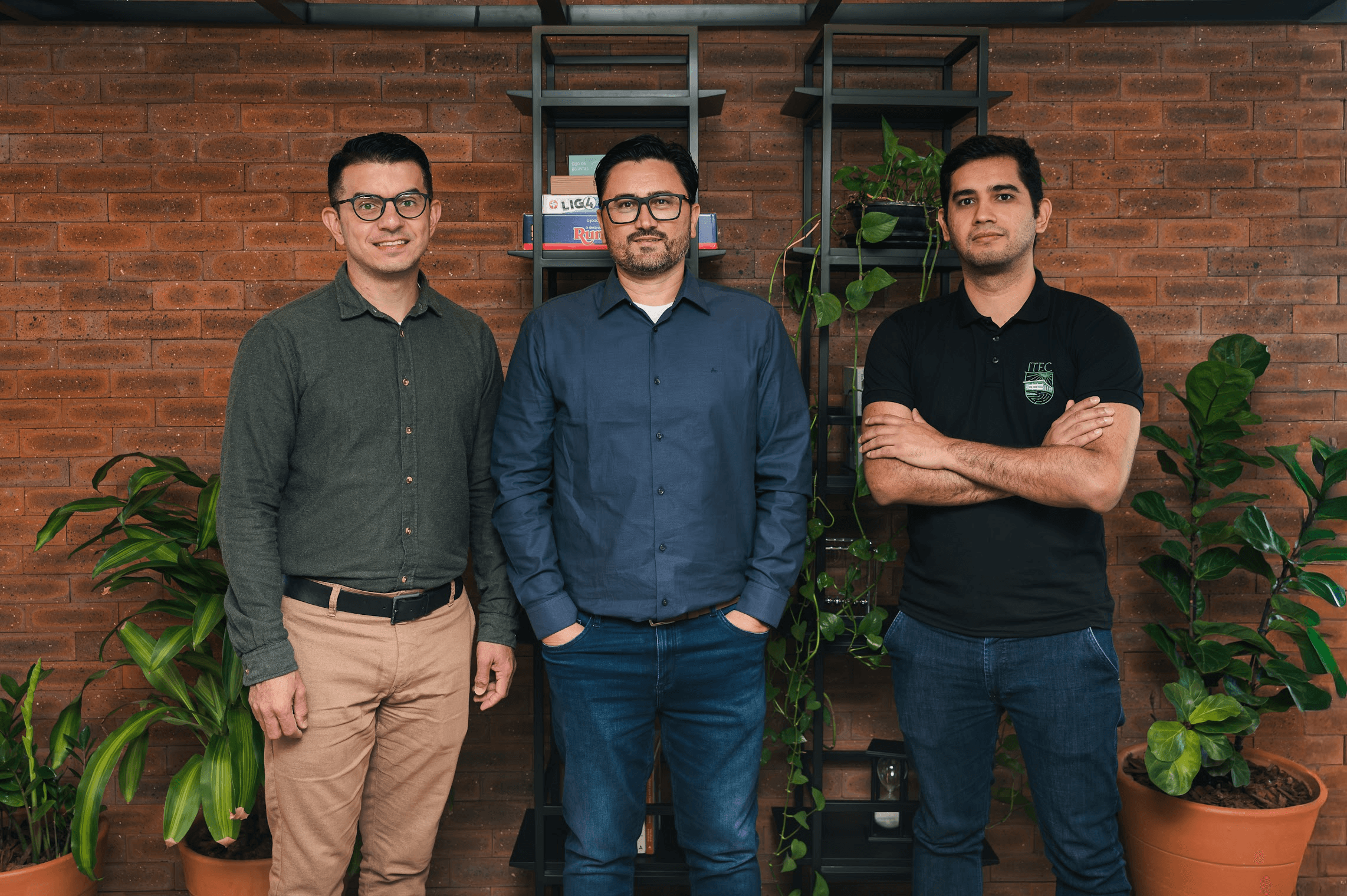
Felipe Domingos da Cunha, Leandro Villas, and Wellington Lobato standing side by side in front of a brick wall.
From left: Felipe Domingos da Cunha, Leandro Villas, and Wellington Lobato.
Portrait of Felipe Domingos da Cunha

ITEC professor

Felipe Domingos da Cunha

Felipe Domingos da Cunha holds a bachelor's degree in Computer Science from PUC Minas and a master's degree and PhD from UFMG, including a doctoral research stay at Inria Saclay in France. He teaches and conducts research in artificial intelligence, machine learning, urban computing, vehicular networks, smart cities, and distributed systems, and has extensive academic and management experience in higher education.
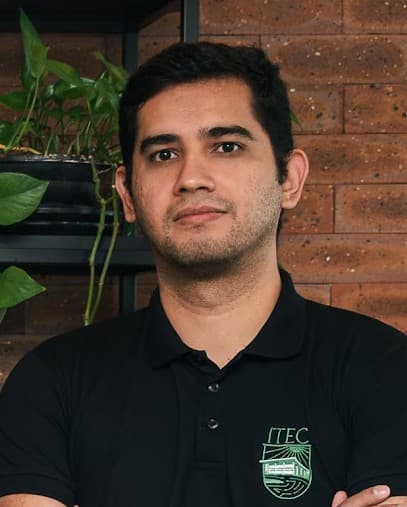
Portrait of Wellington Lobato

ITEC professor

Wellington Lobato

Wellington Lobato holds a degree in Computer Engineering from IESAM, a master's degree from UFPA, and a PhD in Computer Science from Unicamp. He spent time at Technische Universität Dresden in Germany during his doctorate and at Inria Saclay in France as a postdoctoral researcher.